When it comes to professional printing, businesses often choose between two primary printing methods: digital printing and offset printing. Both techniques offer unique advantages and are suitable for different types of projects. Understanding the differences between these printing methods can help businesses choose the best option for their needs.
Digital printing is a modern printing technique that uses digital files to print directly onto paper or other materials. This method is ideal for small to medium print runs because it does not require printing plates. As a result, digital printing offers faster turnaround times and is often more cost-effective for short production runs.
One of the key advantages of digital printing is flexibility. Businesses can easily make changes to designs, personalize prints, and print smaller quantities without significant cost increases. This makes digital printing perfect for items such as business cards, flyers, brochures, and promotional materials.
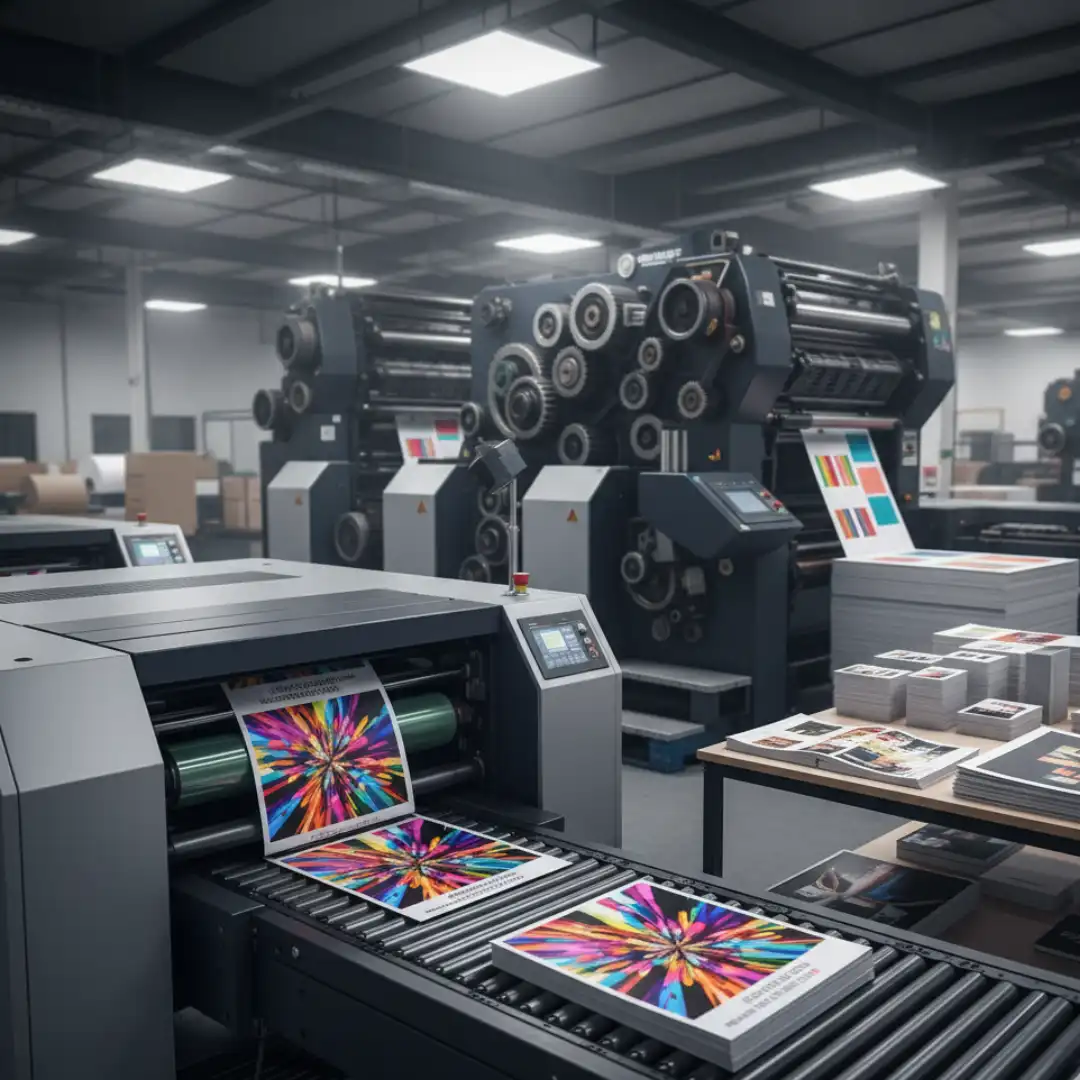
Offset printing, on the other hand, is a traditional printing method that uses metal plates to transfer ink onto paper. While the setup process for offset printing takes more time, it becomes highly efficient and cost-effective for large print runs. Offset printing is widely known for its exceptional color accuracy and consistent print quality.
Businesses that require large quantities of printed materials such as catalogs, magazines, packaging, or corporate stationery often prefer offset printing. The method allows for precise color matching and produces sharp, vibrant results that maintain consistency across thousands of prints.
Another advantage of offset printing is the wide range of paper types and finishing options available. Businesses can choose different textures, coatings, and finishes to create premium marketing materials that stand out.
Choosing between digital and offset printing depends on several factors, including the quantity of prints required, budget, timeline, and project specifications. For small, quick projects, digital printing is usually the best option. For larger projects that require high color accuracy and consistency, offset printing is often the better choice.
Ultimately, both digital and offset printing offer excellent results when used for the right applications. Working with an experienced printing company can help businesses determine the most suitable printing method based on their specific needs.